Article
The human side of AI: How small steps can empower, not replace
The healthcare landscape is changing fast and we’re here to build tools that actually help our clients, not hinder them. Artificial intelligence is stepping into the spotlight, and the real opportunity is figuring out how it can work with you. As we continue rolling out our AI initiatives, we need to keep a few core tenets front and center. Here are some industry-wide truths I’m seeing that we can continue putting into practice.
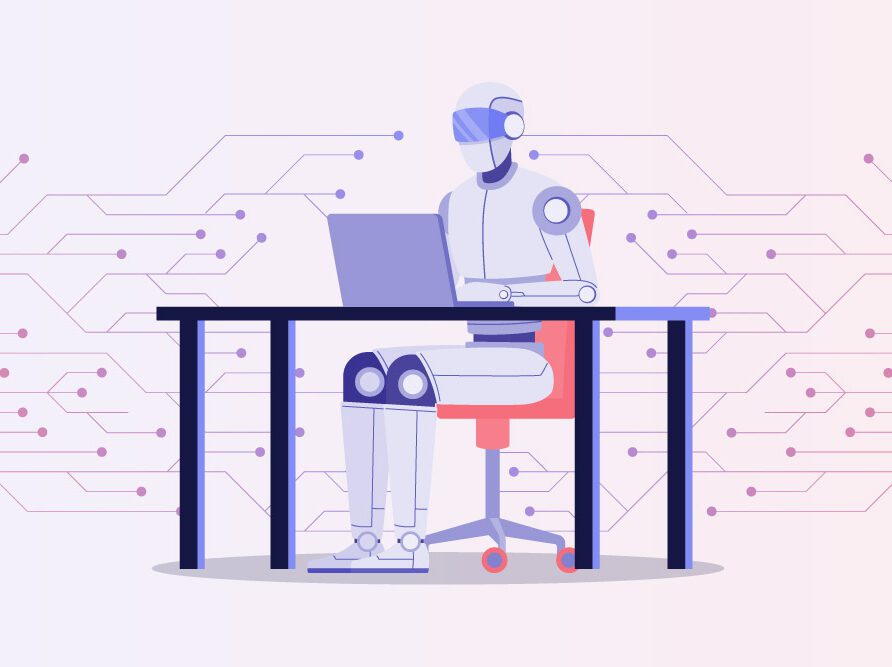
AI as a partner, not a replacement
AI isn’t here to replace the human touch that defines healthcare. In fact, our goal is to bring the human side of healthcare even closer. AI is a tool designed to support decision–making, reduce administrative burden and free up time for face-to-face patient care. Think of AI as an extra set of hands that helps you tackle tasks you want to avoid because they’re too time-consuming or complex. When used effectively, AI can be your built-in assistant, providing multiple approaches, solving problems, suggesting improvements and tailoring solutions to your unique workflows.
AI isn’t here to replace the human touch that defines healthcare. In fact, our goal is to bring the human side of healthcare even closer.
More time for patients, less time behind a screen
Healthcare professionals often juggle countless responsibilities like charting, documentation, scheduling and more. AI can help expedite these tasks, allowing clinicians to focus on patients rather than paperwork. Imagine reducing the time spent on prior authorizations or summarizing clinical notes so you can dedicate more energy to care delivery. AI can streamline inefficient processes like insurance approvals, helping organizations respond faster and more effectively—without adding extra strain to staff.
Start small: Practical steps for adoption
 If AI feels overwhelming, begin with familiar tasks. Instead of searching for answers manually, try using AI to summarize clinical guidelines or draft patient education materials. Over time, expand to more complex workflows like automating documentation or identifying at-risk patients. The more context you provide, the more accurate and helpful AI becomes. Trust and transparency are critical in healthcare. Always verify sources, understand limitations and use AI as a complement and not a substitute for clinical judgment. When used thoughtfully, AI reduces burnout, improves care coordination and creates space for meaningful patient interactions.

JOIN US AT HIMSS
HIMSS26: From what’s real to what’s next
Our commitment
AI is a tool—and in healthcare, the right tools make all the difference. Start small, explore its capabilities, and watch how empowerment, productivity and efficiency transform not just workflows, but the care experience itself. Watch my AI Trailblazer video here to learn more from about how we’re turning this into a reality.
SUBSCRIBE TO OUR INSIGHTS
Dive deeper into how we are elevating healthcare
About the author